Labrosse Real Estate Knows

Land for Sale in Ottawa

mynaui chevron double down
View All Available Listings
Most listings for land for sale in Ottawa tell you the price, the lot size, and not much else.

That’s a problem. Because buying a parcel of land is not the same as buying a house. There’s no home inspection to fall back on. No previous owner who already sorted out the zoning, the permits, and the servicing. With vacant land, every one of those questions lands squarely on you — before you spend a single dollar on a builder.

That’s where we come in.
At Labrosse Real Estate, we help buyers find and evaluate Ottawa land for sale — vacant lots, building lots, acreage, farm properties, and waterfront parcels — with the kind of due diligence most listing pages skip entirely.

Nick Labrosse has completed 700+ real estate transactions in the Ottawa real estate market since 2008. He knows this city from Dunrobin to Metcalfe, from the Ottawa River shoreline to the farmland south of Greely. Every consultation is available in English or French.

Below you’ll find active Ottawa land listings, the best areas to buy, and a plain-language guide to everything you need to check before you close on a lot in Ontario.

Vacant Land for sale in Ottawa

Ottawa Land & Vacant Lot Listings

225 properties


LOADING

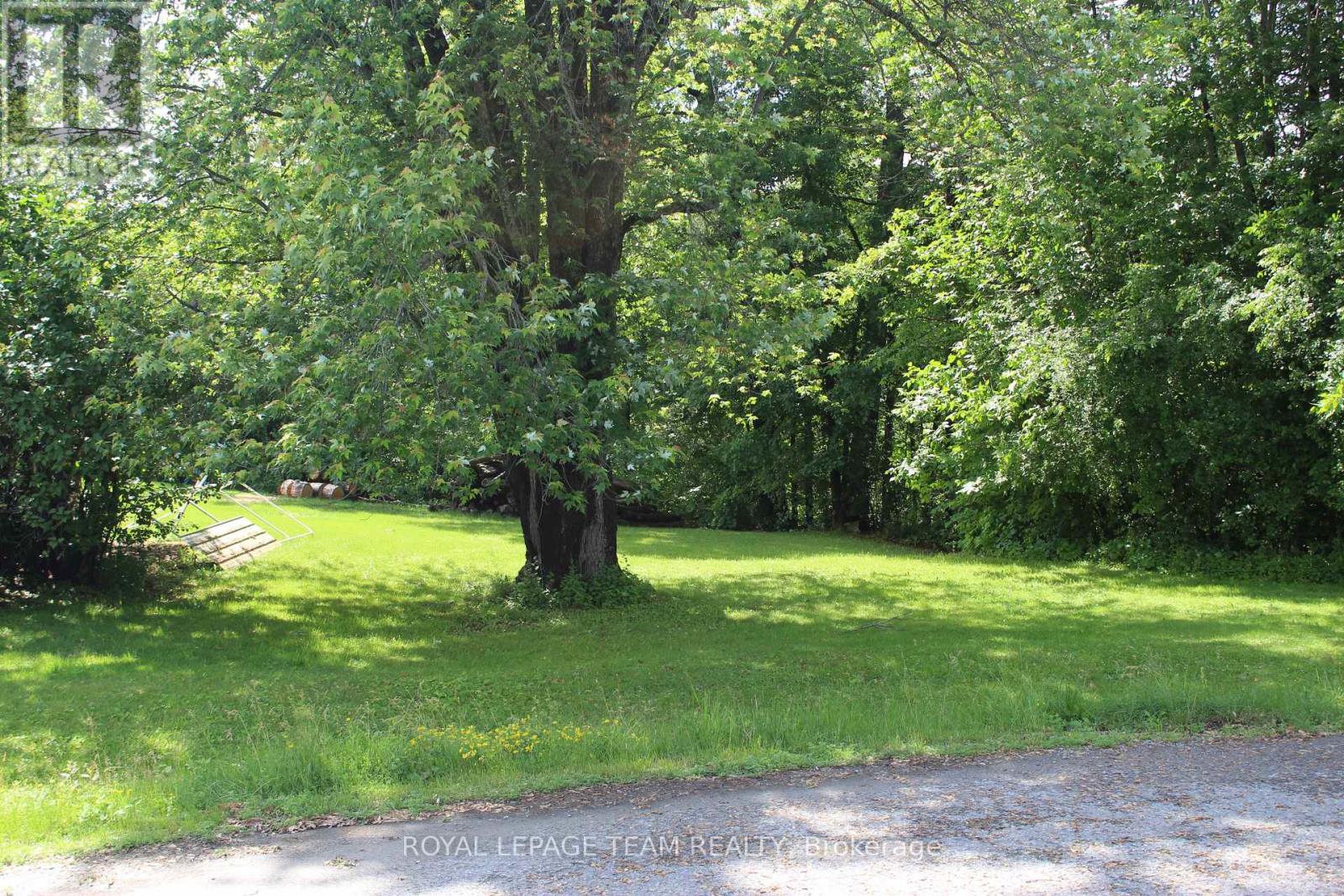
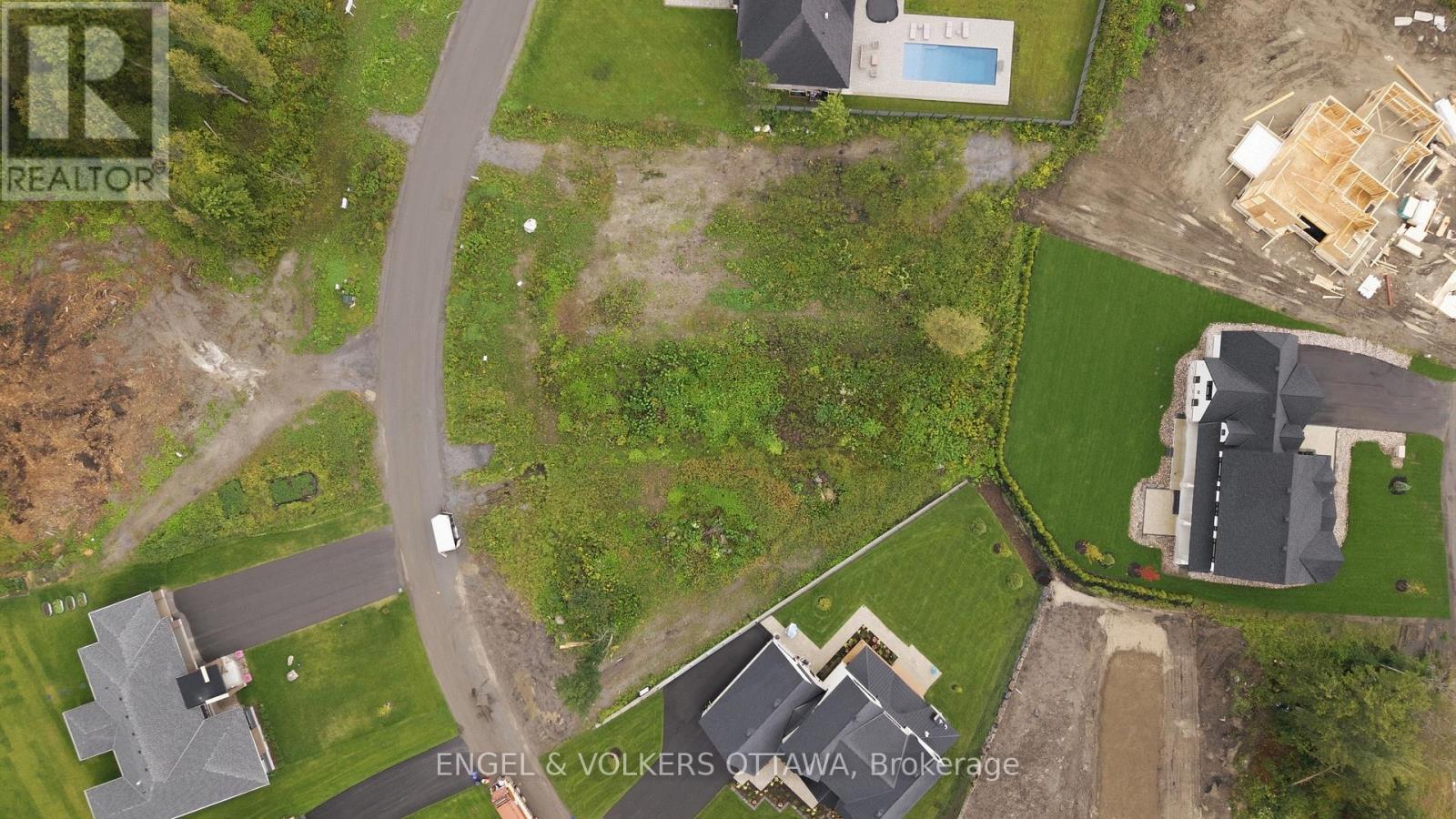
$149,900

129 Ward Court

Fitzroy, Ottawa, ON

Parking not provided

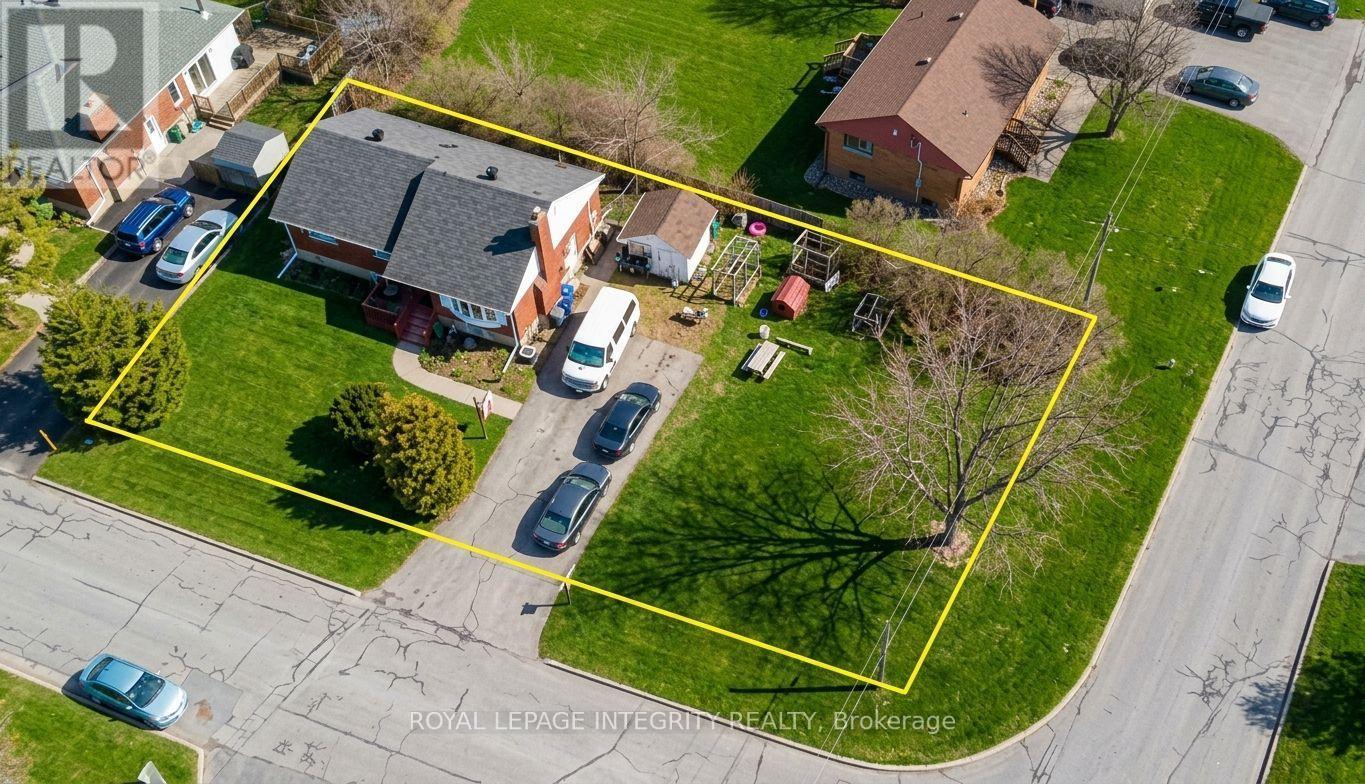
$849,900

176 Oakridge Boulevard

Ryan Farm, Ottawa, ON

5 beds 2 baths
700 - 1,100 sqft 4 parking spaces
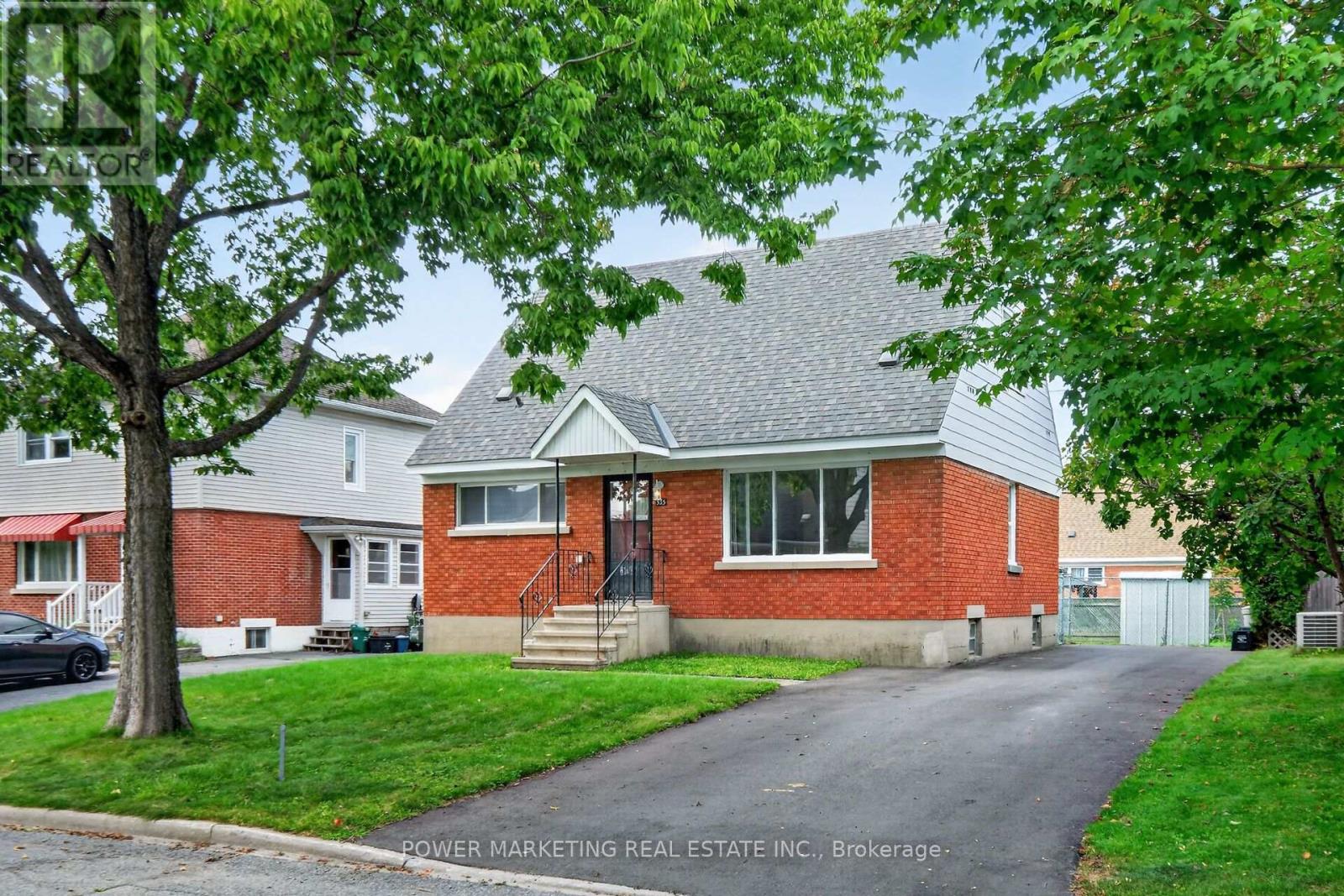
$405,000

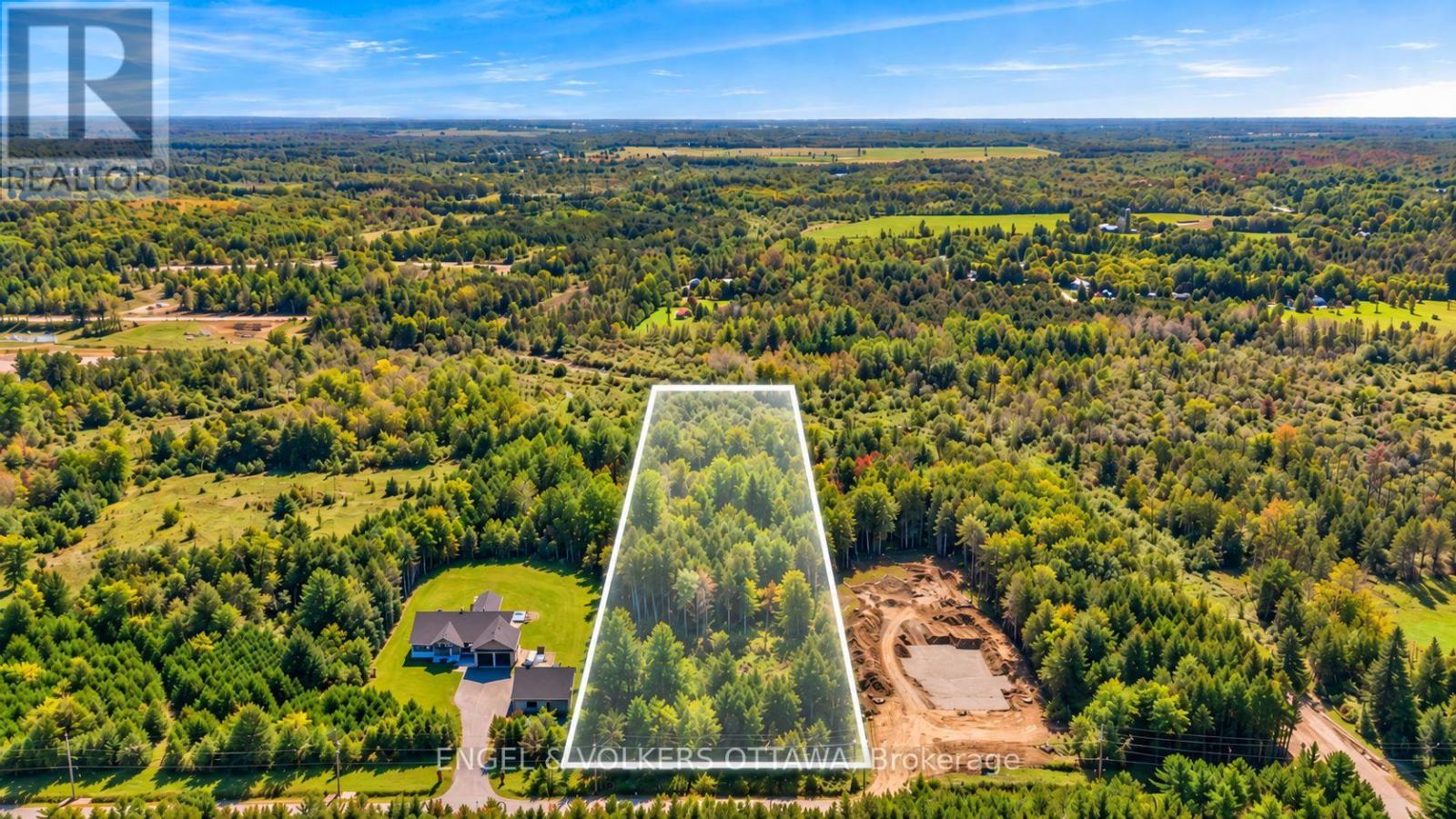
6248 Nick Adams Road

Osgoode Twp North of Reg Rd 6, Ottawa, ON

Parking not provided

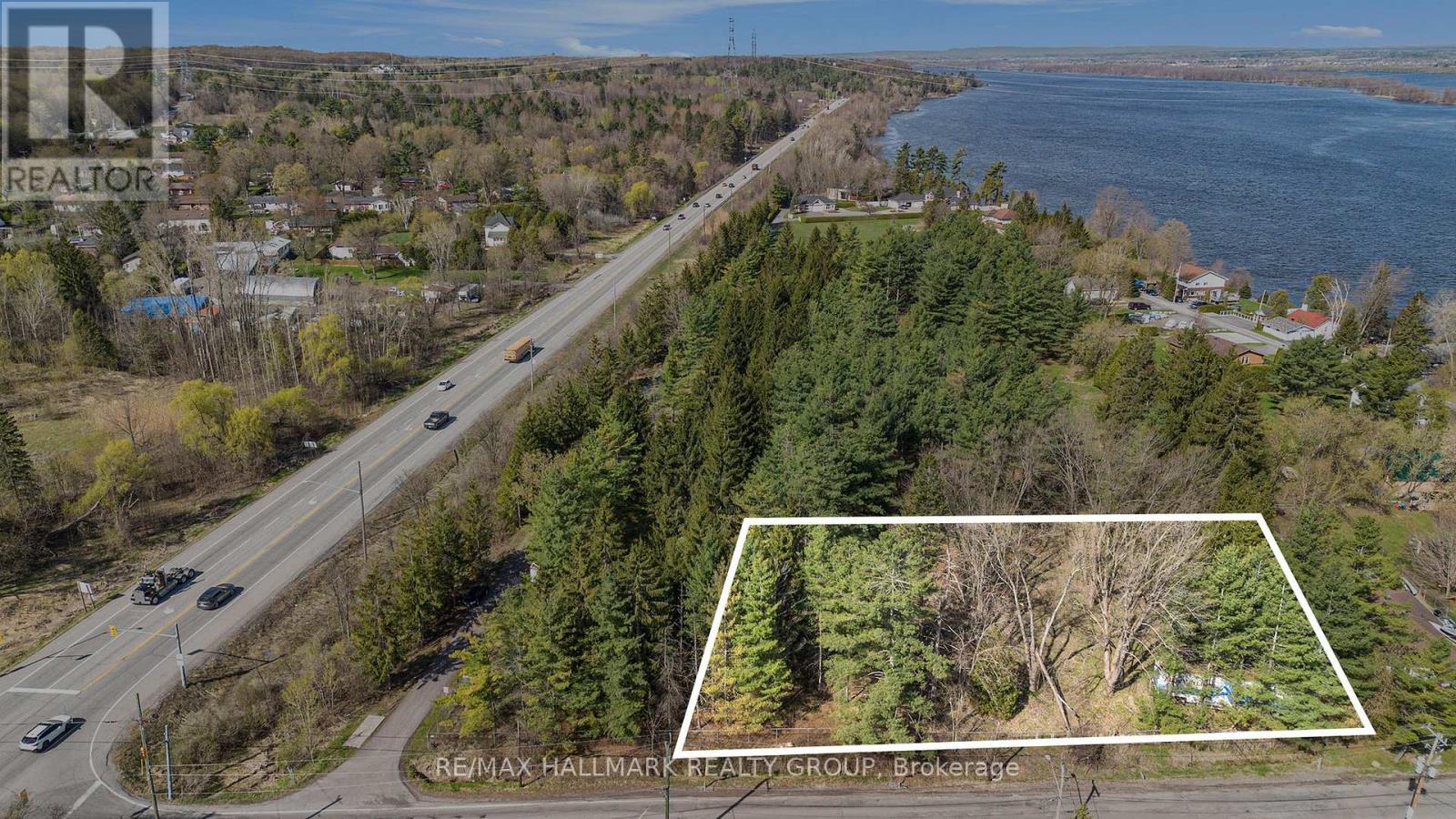
$619,000

535 Dunbrack Street

Overbrook/Castle Heights, Ottawa, ON

4 beds 2 baths
1,100 - 1,500 sqft 3 parking spaces
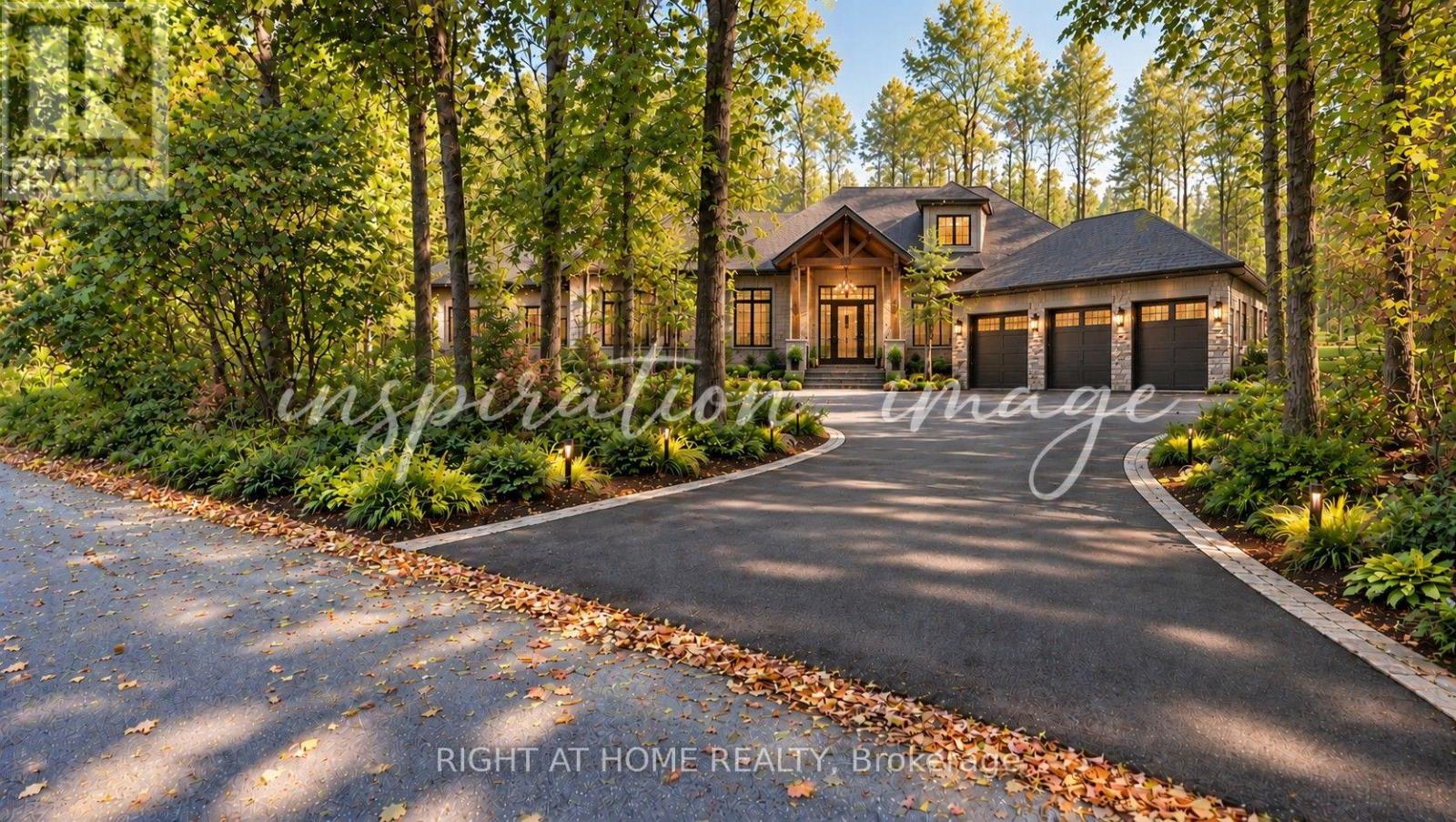
$715,000

7 Beckenham Lane

Rothwell Heights, Ottawa, ON

Parking not provided

$149,000

942 Cameron Street

Cumberland Village, Ottawa, ON

Parking not provided

$499,000

261 Cabrelle Place

Manotick Village & Manotick Estates, Ottawa, ON

Parking not provided

$745,000

1095 Black Canary Drive

Manotick East to Manotick Station, Ottawa, ON

Parking not provided

$274,900

0 Sutherland Drive

Manotick South to Roger Stevens, Ottawa, ON

Parking not provided

$179,900

104 Casey Creek Lane

Dunrobin, Ottawa, ON

Parking not provided

$1,100,000

12 Mcarthur Avenue

Vanier, Ottawa, ON

Parking not provided

$1,100,000

12 Mcarthur Avenue

Vanier, Ottawa, ON

Parking not provided

Page 4 of 19

Filter propertiesFilters

Land for Sale Ottawa

More filters
Vacant Land
For Sale

Clearing filters keeps this page's location and property criteria.

Clear filters

Every listing above is pulled directly from the MLS® system through CREA’s Data Distribution Facility and updated daily. You can browse by price, lot size, and neighbourhood — or let us do the searching for you.
If you don’t see what you’re looking for, that’s normal. The best lots for sale often move fast, and some never hit the public listing feeds at all. We monitor new land listings every day and can set up a custom alert matched to your exact criteria — location, budget, lot size, zoning type.

700+

Transactions

650+

Total Families Helped

550+

Total Homes Sold

EN / FR

Bilingual Service

Where to Buy Land in Ottawa

Ottawa is not one market — it’s a dozen. The right area depends on what you plan to build, how much land you need, and whether you want municipal services or prefer the privacy of a rural acre lot. Here are the areas where we see the strongest land-buying activity right now.

Land for sale in Rideau Jock

Dunrobin

If you want space, privacy, and a view of the Ottawa River, Dunrobin is the first place to look. This is estate lot territory — large acreage parcels with mature tree screening, often backing onto water access or conservation land. Most properties here are unserviced, so plan for a private well and septic system. Buyers tend to be custom home builders looking for 2+ acres and the quiet of rural Ottawa, just minutes from Ottawa’s west end. A rare find for anyone who wants room to breathe without leaving the city limits.

Cumberland sits northeast of Orleans and offers a mix of semi-rural lots and newer subdivision parcels. Infrastructure has been growing steadily — you’ll find some serviced lots closer to the village core and larger unserviced properties on the outskirts near the Rideau River. Families building custom homes like Cumberland because it delivers rural character with reasonable proximity to Orleans amenities, schools, and transit. Development opportunity here is real, especially on parcels that can support future severance.
Carp has something most Ottawa suburbs don’t: a genuine village centre surrounded by open land. You’ll find hobby farm parcels, rural residential lots, and the occasional infill opportunity near Carp Road. It’s a favourite for buyers who work in Kanata but want acreage, farmland, and a quieter pace at the end of the day. Heritage character, a strong community feel, and lot sizes that suburban Kanata can’t match. Zoning here varies — check carefully between agricultural, rural residential, and mixed-use before you make an offer.

South Ottawa’s most affordable building lots are in Greely and the surrounding area. Newer residential development has brought serviced lots with municipal water and sewer to parts of the community, while properties farther out still require well and septic. Greely is popular with young families building their dream home on a budget — close enough to Barrhaven and Riverside South for shopping and schools, far enough out to get more land for your money. If you’re looking for lots for sale under $200K, start here.

Metcalfe

Metcalfe is where you go when you want serious land — 10, 25, 50 acres of prime farmland or rural residential property. This is south-rural Ottawa at its most open. Buyers here are building hobby farms, estate homes, or holding land as a long-term investment. Septic approval and conservation authority setbacks are the main due-diligence items to watch. The trade-off is clear: lower land cost per acre, longer commute to the urban core, and the kind of privacy you simply cannot get in the suburbs.

Infill lots in Westboro, Old Ottawa South, and the Glebe are the opposite end of the spectrum — small sq ft, premium price, maximum walkability. These are typically teardown properties or the occasional true vacant lot offered for sale in an established neighbourhood. Buyers are custom builders and developers targeting high-value urban locations. Expect complex zoning rules, tight setback requirements, and neighbour scrutiny through the planning process. But if you want to build a custom home in one of Ottawa's most desirable addresses, this is where the opportunity lives.

On the growing edge of Barrhaven and western Nepean, new development is pushing into land that was recently agricultural. Some parcels here are serviced or soon-to-be-serviced subdivision lots — ideal for buyers who want a straightforward build process without the complications of rural servicing. Developers and investors are active in this corridor, and residential development applications are moving through the planning pipeline. Lot prices are mid-range, and the proximity to schools, parks, and highway access makes this area popular with families.

East of Ottawa along the Ottawa River, Rockland offers bilingual community life and some of the most affordable land in the greater Ottawa area. The town has its own amenities — grocery, schools, recreation — and property features here include river proximity, generous lot sizes, and a small-town pace. For our French-speaking clients, Rockland is a natural fit, and our bilingual service means nothing gets lost in translation during the transaction.

If you are not ready to build from scratch, you can also compare houses for sale in Rockland Ontario to see move-in-ready homes, newer subdivisions, and larger lot options.

Before You Buy Vacant Land in Ottawa

What to Check

Here is the hard truth about buying vacant land for sale: the listing price is only one number in a much longer equation. The lot that looks like a great deal on paper can become a money pit if you skip the due diligence that experienced land buyers never skip.

This is the checklist Nick walks through with every land buyer — and the reason most of our clients tell us they would never have caught these issues on their own.

1. Zoning Classification

Every parcel of land in Ottawa is governed by the City’s Zoning By-law. The zone determines what you can build — residential, rural residential, agricultural, commercial lot, mixed-use, or something else entirely. A property zoned agricultural may not permit a single-family home without a zoning amendment. A residential zone may restrict lot coverage, building height, or the number of units. Before you fall in love with a lot, confirm the zone and read the permitted uses. This is not optional — wrong zone means no building permit.

Ottawa requires legal frontage on a maintained public street before it will issue a building permit. If the lot is accessed by a private lane, a right-of-way, or an unmaintained road, you may not be able to build at all — or you may need to negotiate road access agreements that add cost and complexity. Always verify frontage status with the City before making an offer.

Serviced lots connect to municipal water and sewer at the lot line. Unserviced lots — common in rural Ottawa — require a private well and septic system, both of which must be approved and installed before you can occupy a home. The difference in development cost can be significant. Ask the listing agent whether the property has municipal water and sewer, and if not, whether there are existing septic or well records on file.

In rural Ottawa, you cannot build without an approved septic design. Approval depends on soil percolation rates, lot size, setbacks from property lines and water features, and the capacity of the system relative to the proposed home. The City of Ottawa maintains septic records that your agent can request. If no record exists, you’ll need a site evaluation — and the results may limit what you can build or where on the lot you can place a structure.

If the land is near a waterway, wetland, or floodplain, it likely falls under the jurisdiction of the Rideau Valley Conservation Authority (RVCA) or the South Nation Conservation Authority. These bodies regulate development in hazard lands — and their approval is required in addition to the City’s. A lot may look fully buildable on MLS® photos, but if 40% of it sits inside a regulated area, your buildable envelope shrinks fast. Always request a mapping review before you commit.

If the lot was created through a land severance (consent), check whether all conditions of that severance have been fulfilled. Unmet conditions — like road improvements, grading, or parkland dedication — can block your development until they’re resolved, sometimes at your expense. This is one of those issues that rarely shows up in a listing description but can stall a build for months.

The City of Ottawa levies development charges on new residential construction. These are fees that fund infrastructure — roads, water, sewer, transit, parks — and they apply to most new builds outside of existing serviced areas. Development charges can add tens of thousands of dollars to your project cost. Ask for the current rate schedule before you finalize your build budget, and factor this number into your land purchase decision — not after.

Utility easements, drainage easements, and access right-of-ways can all limit where you place a structure on your lot. An easement doesn’t mean you can’t build — but it does mean a portion of your property features restricted use. Your lawyer should review the title and the survey to identify any registered easements before you close.

Never assume that fence lines, tree lines, or “understood” boundaries are accurate. Always get a current Ontario Land Surveyor’s survey. Boundary disputes after you’ve poured a foundation are extraordinarily expensive to resolve. A survey costs a fraction of what a misplaced building costs. This is not the place to save money.

Ottawa building permit processing times vary by project type and complexity. A straightforward single-family home on a serviced lot may move through in weeks. A rural build requiring septic approval, conservation authority sign-off, and a site plan can take considerably longer. Factor the permit timeline into your project schedule before you close on the land — because you’ll be paying property taxes and carrying costs from day one.

This is a lot to navigate on your own. The team at Labrosse Real Estate has helped hundreds of Ottawa buyers evaluate land — let them handle the due diligence so you can focus on the build.

Raw Land vs. Serviced Lots vs. Infill Lots

Not all land for sale in Ottawa is created equal. The type of lot you buy determines your timeline, your budget, and the complexity of your build. Here's how to think about the three main categories.

Raw / Unserviced Land

No municipal water. No sewer. No gas line at the lot line. You’ll need a well, a septic system, and possibly a hydro extension — all at your cost. Raw land is common in Dunrobin, Carp, Metcalfe, and Greely. The purchase price tends to be lower, but development costs are higher and the timeline is longer. This is the right choice for buyers who want a large rural lot, acres of prime land, or a custom estate home with maximum privacy — and who are willing to manage the extra steps to get there.

Serviced / Subdivision Lots

Connected to municipal water and sewer, with a paved road and utilities at the property line. These lots are typically found in newer subdivisions on the fringe of Barrhaven, Riverside South, and parts of Orleans. The lot price is higher, but the path to a building permit is more straightforward and the timeline is shorter. If you want to build your dream home without managing well drillers and septic engineers, a serviced lot is the simpler route.

Urban Infill Lots

Vacant or teardown lots within established Ottawa neighbourhoods — Westboro, the Glebe, Old Ottawa South, Centretown. These are the smallest lots at the highest price per sq ft, but they sit in the most desirable locations. Infill builds come with complex zoning rules, committee of adjustment applications, and neighbours who pay close attention to what you’re building. The upside is significant: a custom home in a high-visibility, high-demand neighbourhood with strong long-term value.

 Raw LandServiced LotInfill Lot
Typical priceLowerMid-rangePremium
Build timelineLongerModerateVariable
Servicing costBuyer’s responsibilityIncludedIncluded
Best forRural lifestyle, farms, estate lotsCustom suburban homesUrban builds, investment
ComplexityHigher (well, septic, permits)LowerHigher (zoning, approvals)

Ottawa Land for Custom Homes, Investment & Development

Ottawa offers something Toronto and Vancouver cannot: enough land, at a reasonable price, to build exactly the home you want. Whether that’s a 3,000 sq. ft. family home on a serviced lot in Barrhaven or a timber-frame retreat on 10 acres near Carp, the opportunity to build your dream home here is real — and more affordable than most buyers expect.

The team at Labrosse Real Estate helps buyers match their build vision to the right lot — not just the right price. That means evaluating zoning, access, servicing, and neighbourhood trajectory before you make an offer. Because the lot you choose shapes what your builder can do.

Ottawa’s real estate market is driven by two of the most stable employment bases in Canada: the federal government and a growing tech sector. That demand doesn’t go away — and it pushes land values upward over time. Developers and investors are actively looking for parcels with severance potential, new development applications, and rental conversion opportunities, particularly in lower-density areas where supply is tight.

If you’re evaluating Ottawa vacant land as an investment, use our Rental Property Calculator to run the numbers on hold-and-build strategies or future development scenarios.

For developers, Ottawa’s growth areas offer a prime opportunity. Infill lots in urban neighbourhoods, high-exposure commercial lots along arterial roads, and large development sites on the suburban fringe are all in play. Prime commercial land and vacant commercial parcels near transit corridors are especially competitive.

Whether you’re building, investing, or developing — start with a conversation.

Ottawa Real estate expert meeting with Nick Labrosse
Get in touch with a

Real Estate Agent in Ottawa

Our team of highly qualified professionals will guide you through every step of buying or selling your property

Land for Sale Ottawa Contact Form
Name

FAQ

It depends entirely on location, lot size, zoning, and servicing. A raw rural lot in Metcalfe or Greely might list well under $200K. A serviced subdivision lot in Barrhaven or Riverside South typically falls in the mid-range. An infill lot in Westboro or the Glebe can command a significant premium — sometimes more than the homes around it. The only way to get a reliable number is to search current land listings and compare properties with similar characteristics. We can pull comparable sales for any area you’re considering.

Financing vacant land is more restrictive than financing a home. Most lenders require a larger down payment — often 25% to 50% — and charge higher interest rates. Some buyers use a home equity line of credit on an existing property to fund a land purchase. Construction mortgages, which roll land and building costs into one loan, are another option if you plan to build immediately. Talk to a mortgage broker who specializes in land and construction financing before you start shopping.

In common usage, “vacant land” refers to any unimproved parcel — it may or may not be buildable. A “building lot” usually implies the land has been approved or is suitable for residential construction, with appropriate zoning, road frontage, and access to services. Always verify the actual zoning and servicing status rather than relying on how the listing describes the property.

Yes. An Ontario Land Surveyor’s reference plan or survey certificate confirms the exact boundaries, dimensions, easements, and encroachments on the property. Fence lines and assumed boundaries are frequently inaccurate. A survey protects you from building on land you don’t own or discovering setback violations after construction starts. The cost of a survey is minor compared to the cost of a boundary dispute.

You can look up zoning for any Ottawa address using the City of Ottawa’s GeoOttawa mapping tool or by contacting the City’s planning department directly. The Zoning By-law specifies permitted uses, setback requirements, building height limits, lot coverage, and more. If the zoning doesn’t permit what you want to build, you may need a minor variance or a zoning amendment — both of which add time and cost.

Development charges are fees levied by the City on new construction to fund municipal infrastructure. They apply to most new residential and commercial builds and can add a substantial amount to your project budget. The rate varies by location and type of development. The City publishes its current development charge schedule online, and your agent or lawyer should confirm the applicable rate before you finalize your purchase.

Yes, but you’ll need approved alternatives. In rural Ottawa, that means a private well for water and an approved septic system for sewage. Both require permits and site evaluations before construction can begin. The lot must have suitable soil conditions for septic, adequate space for the system and its required setbacks, and a viable water source. Not every rural lot passes these tests — which is why due diligence before purchase is critical.

Timelines vary. A standard residential building permit on a serviced lot with straightforward zoning may be processed in a matter of weeks. A more complex application — involving rural servicing, conservation authority review, or a minor variance — can take several months. Check with the City’s building services department for current processing times, and build this timeline into your project plan before you close on the land.

A severance (also called a consent) is the legal process of dividing one parcel of land into two or more lots. In Ontario, this requires approval from the local Committee of Adjustment. Conditions are typically attached — road improvements, parkland dedication, lot grading — and must be fulfilled before the new lot can be registered and sold. If you’re buying a lot that was created through severance, confirm that all conditions have been met.

It’s usually better to at least consult with a builder before you buy. A builder can assess whether the lot supports the home you want to build — considering lot size, grade, orientation, setbacks, and servicing. Some buyers find the perfect acre parcel only to discover it doesn’t accommodate their floor plan, or that the site preparation costs eat into their construction budget. A 30-minute conversation with a builder before your land purchase can save you months of frustration after.

LRG Logo All White
pngwing.com
Evaluate your home's worth with our property

Find out how much your home is worth with Labrosse Real Estate Group’s free home value estimation service – get started now!