Multi-Family Homes for Sale in Ottawa
At 7:14 a.m., your first tenant pays your mortgage. By 9:00, the second one has covered your property tax. The third is profit.
That is the quiet arithmetic of a well-bought multi-family home in Ottawa. It is also the reason a duplex, triplex, fourplex, or small apartment building is the single most practical wealth-building purchase most Canadians will ever make.
This page is for the buyer and investor who has figured that out, and now wants to do it properly.
Current multi-family listings in Ottawa
LOADING
$1,850,000
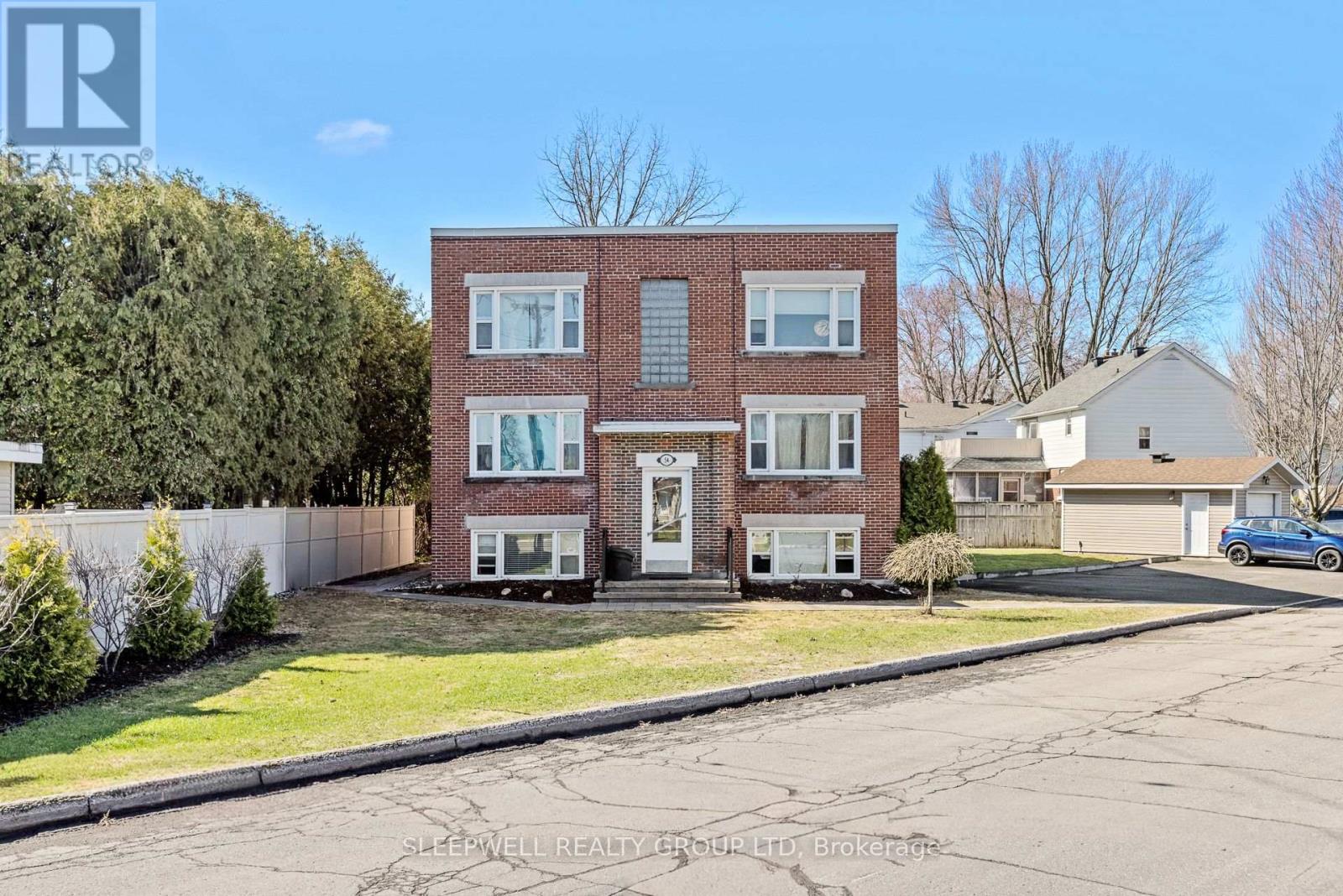
54 Centennial Boulevard
Ottawa East, Ottawa, ON
$1,850,000
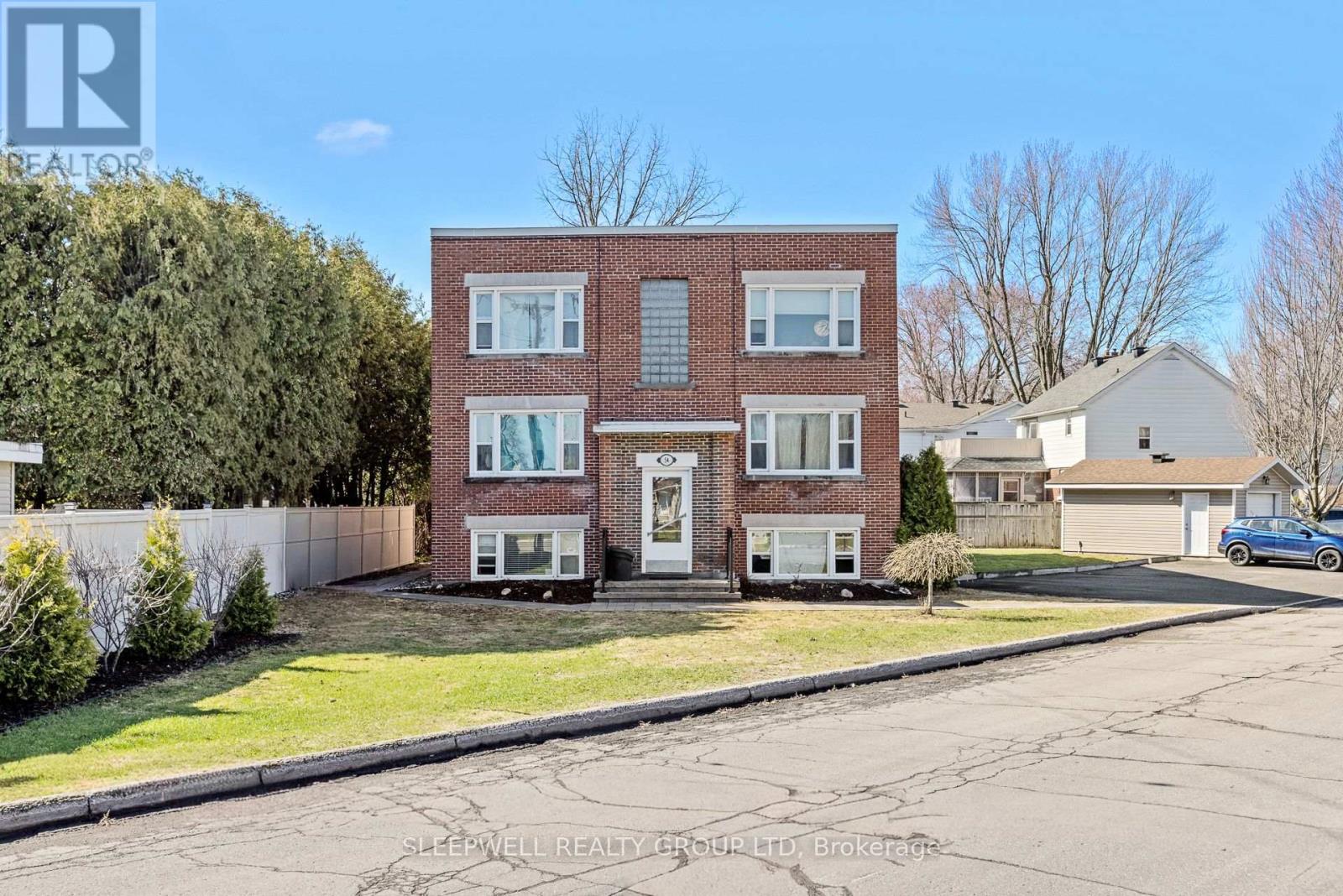
54 Centennial Boulevard
Ottawa East, Ottawa, ON
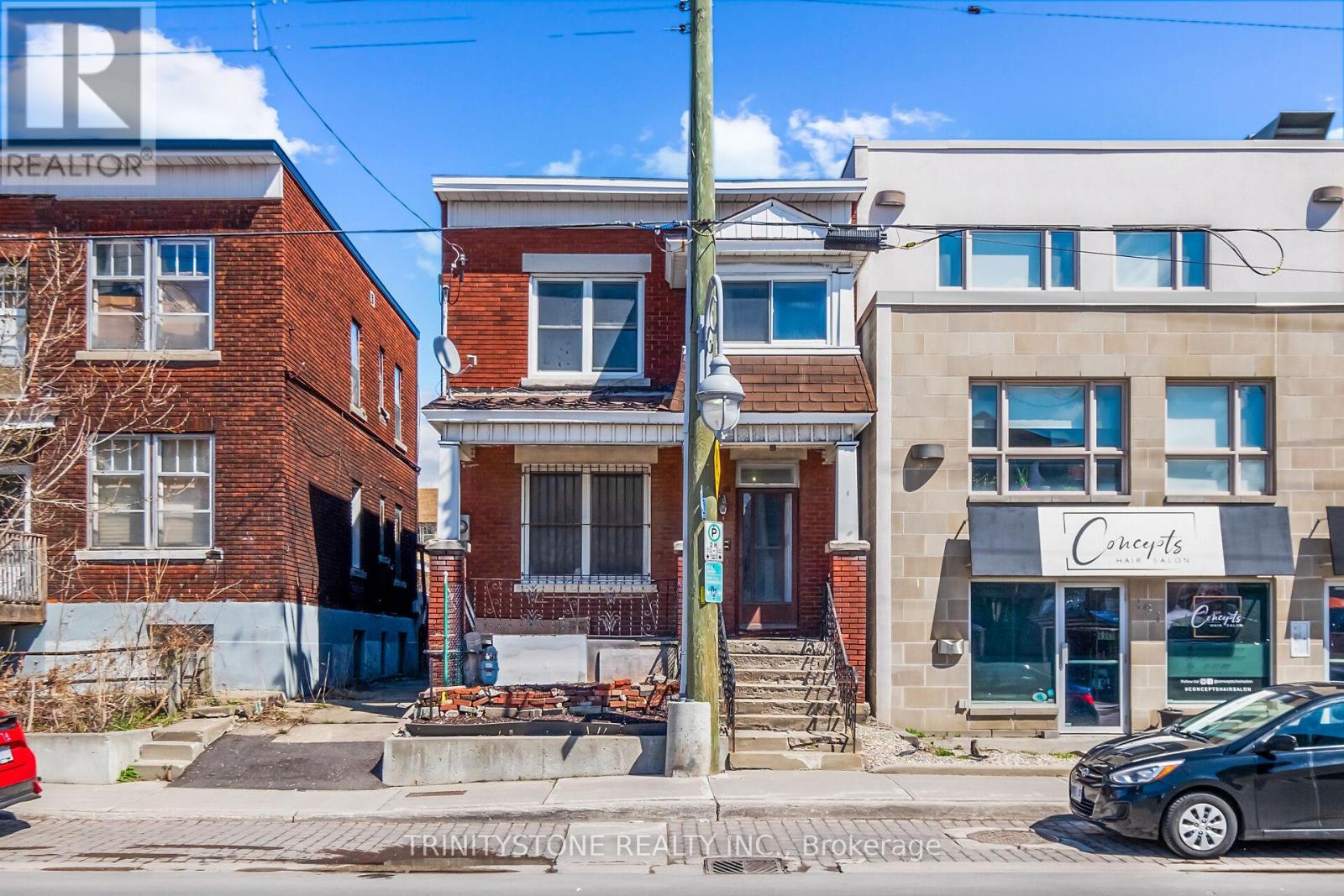
$669,000
189 Preston Street
Centretown West, Ottawa, ON
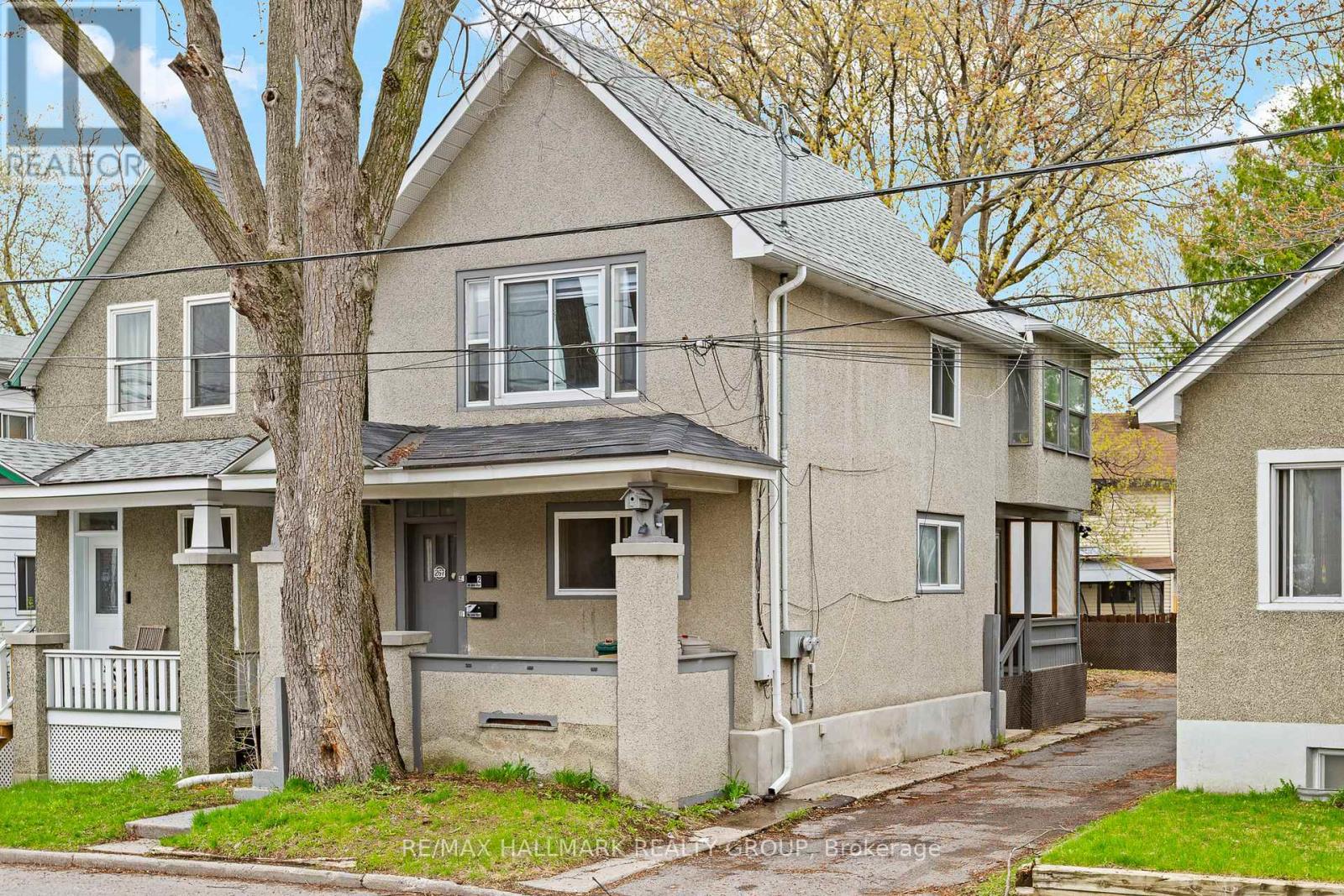
$544,900
267 Park Street
Vanier, Ottawa, ON
$899,900
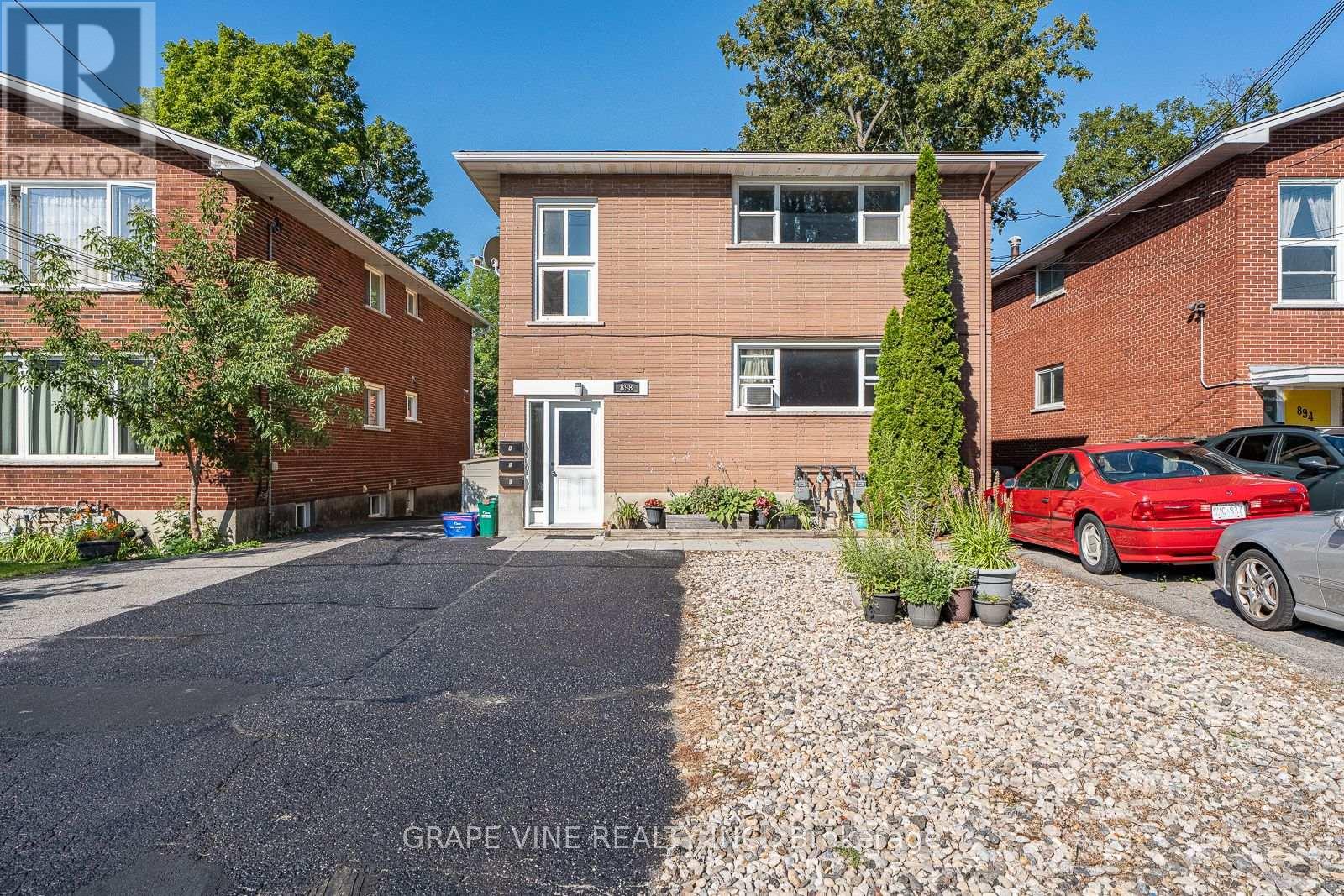
898 Watson Avenue
Fairfield Heights, Ottawa, ON
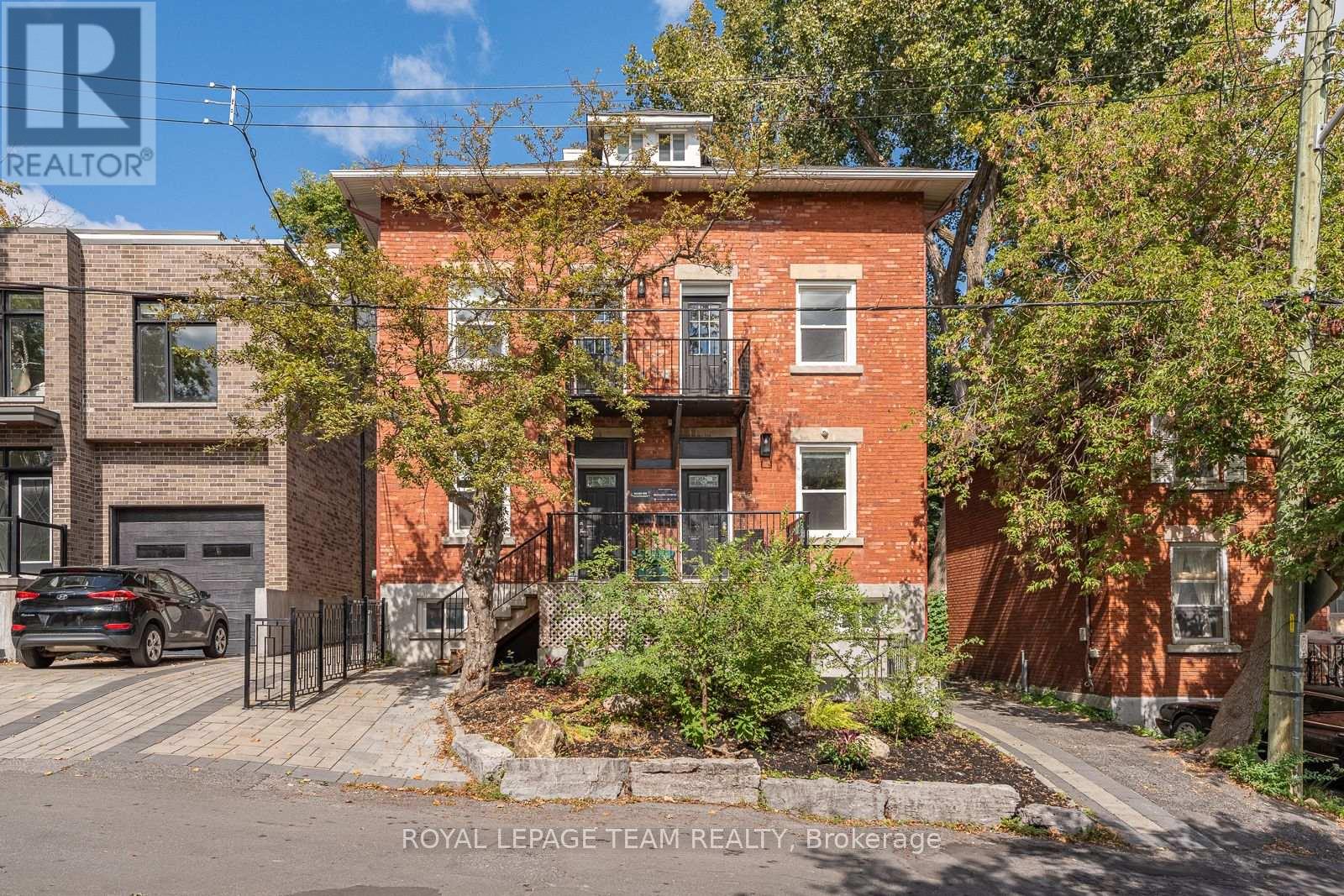
$1,595,000
447 - 449 Green Avenue
Rockcliffe, Ottawa, ON
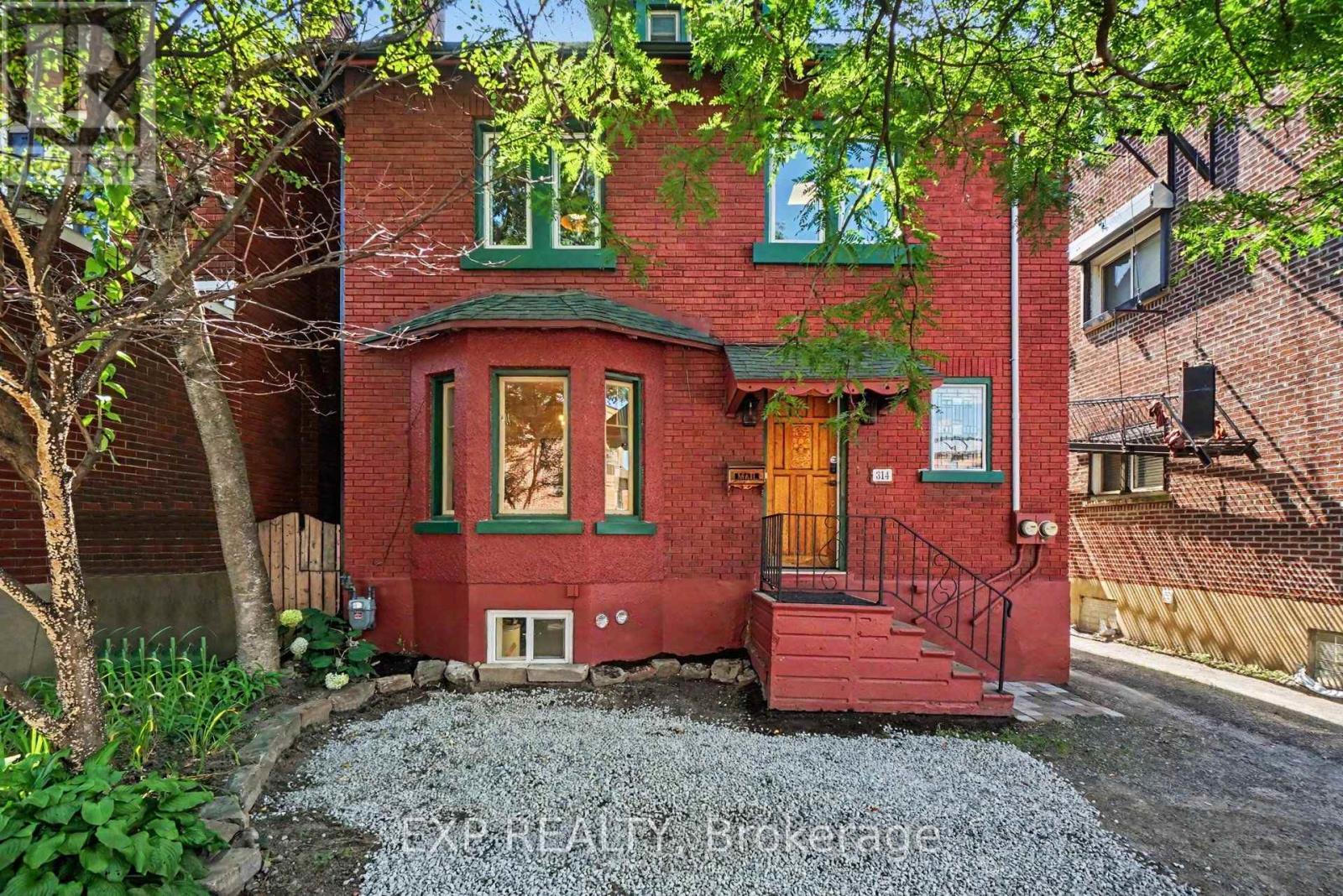
$799,000
314 O'connor Street
Ottawa Centre, Ottawa, ON
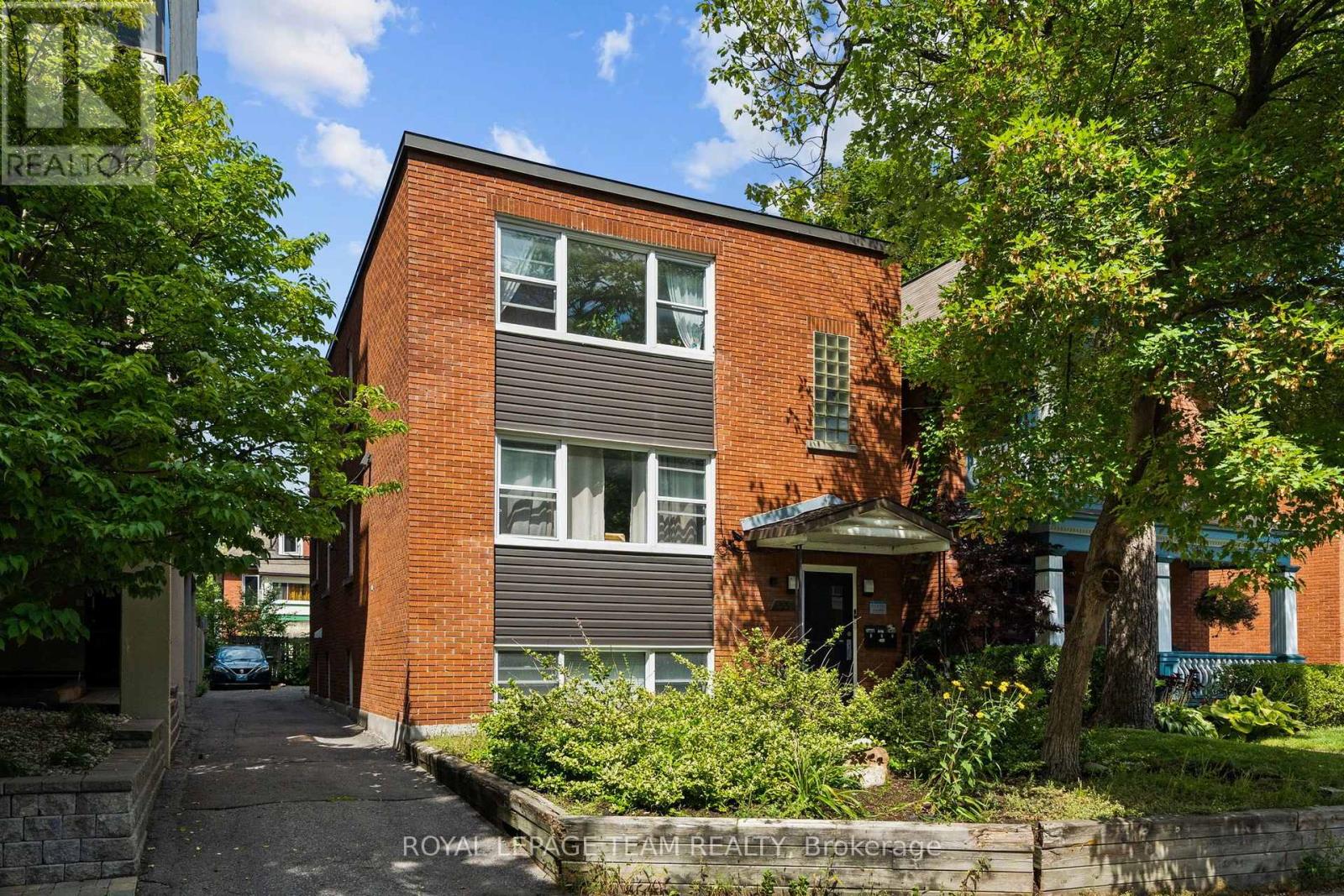
$1,225,000
331 Flora Street
Chinatown, Ottawa, ON
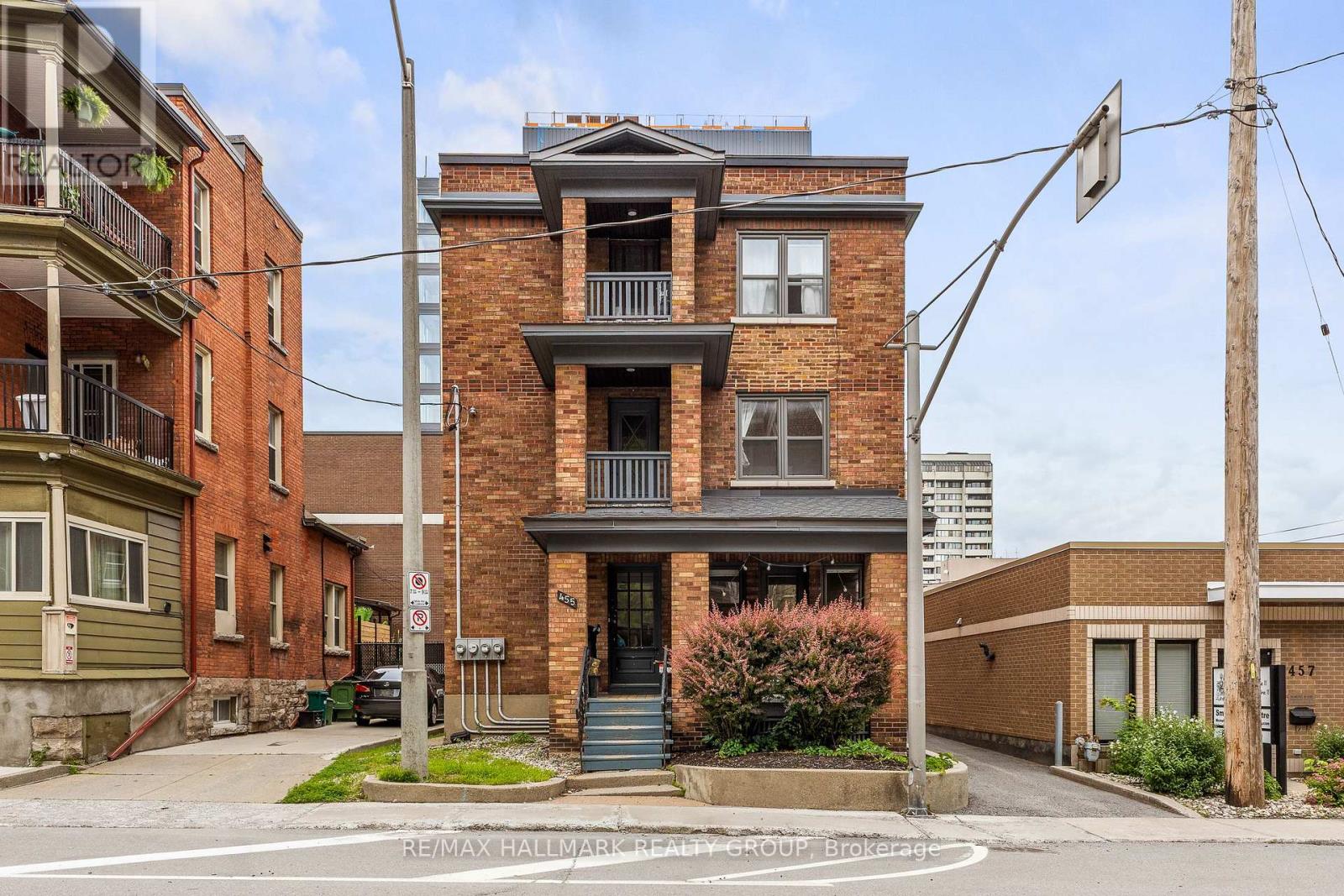
$1,400,000
455 Metcalfe Street
Ottawa Centre, Ottawa, ON
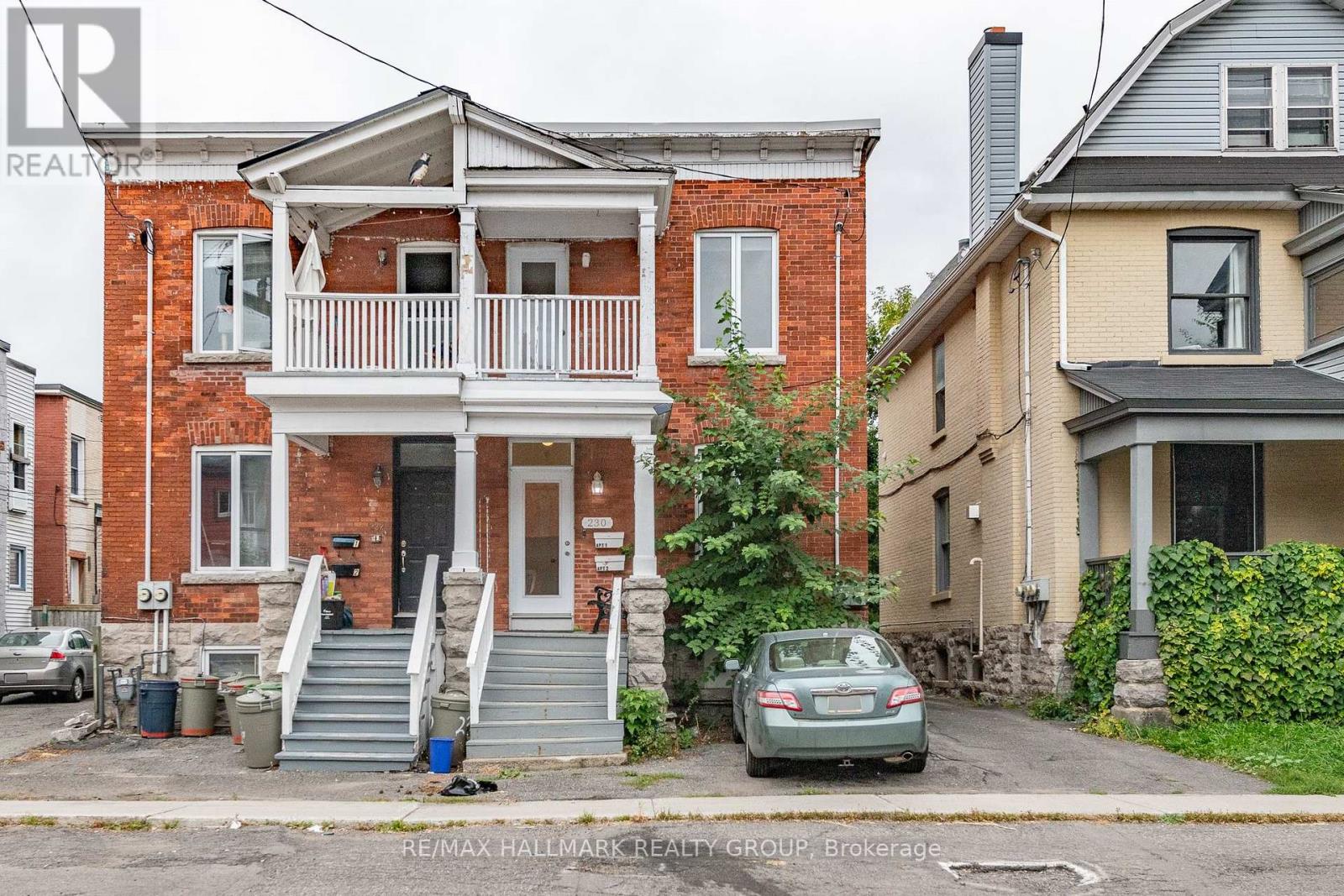
$699,900
230 Percy Street
Ottawa Centre, Ottawa, ON
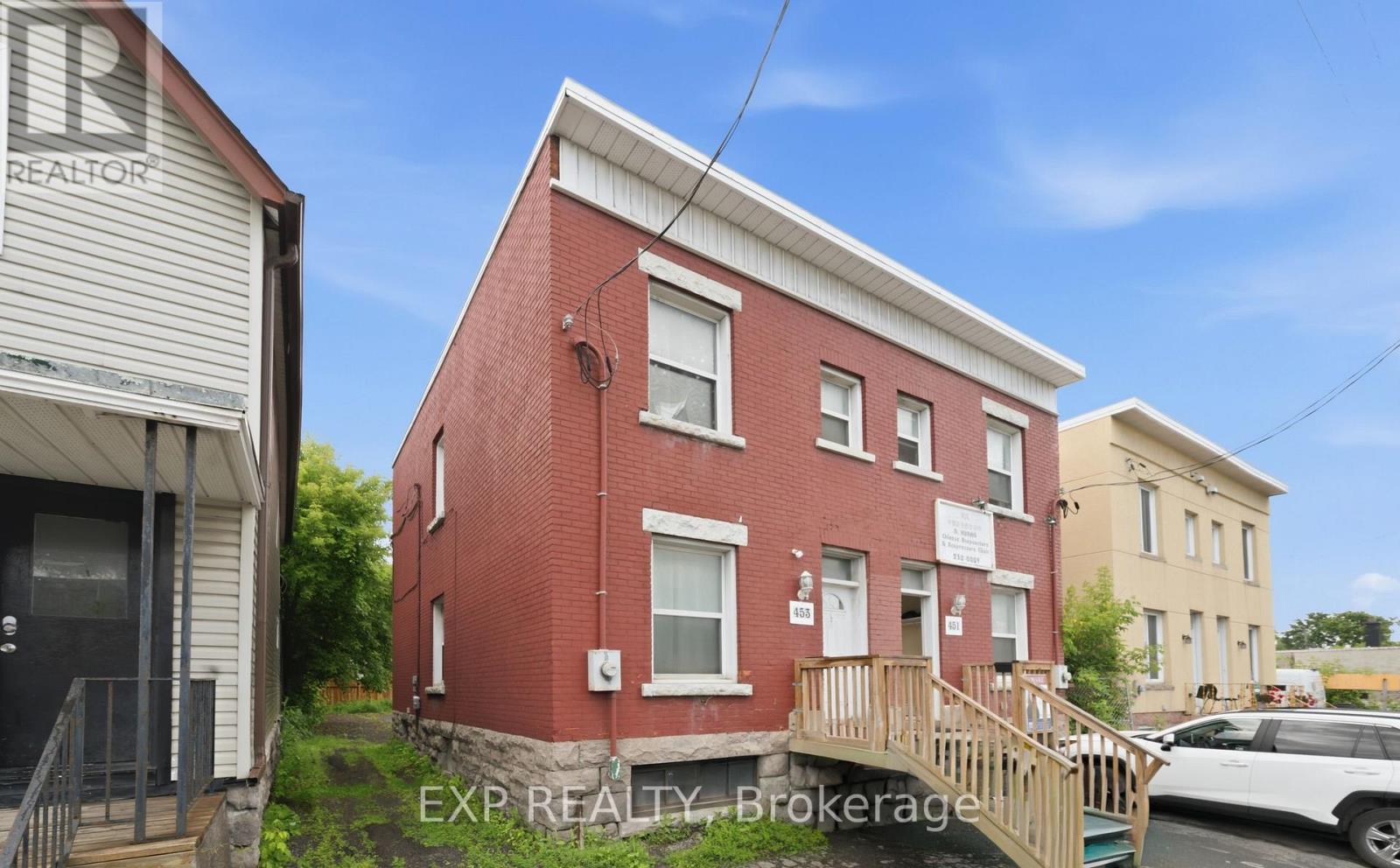
$1,099,000
451 & 453 - 453 Catherine Street N
Ottawa Centre, Ottawa, ON
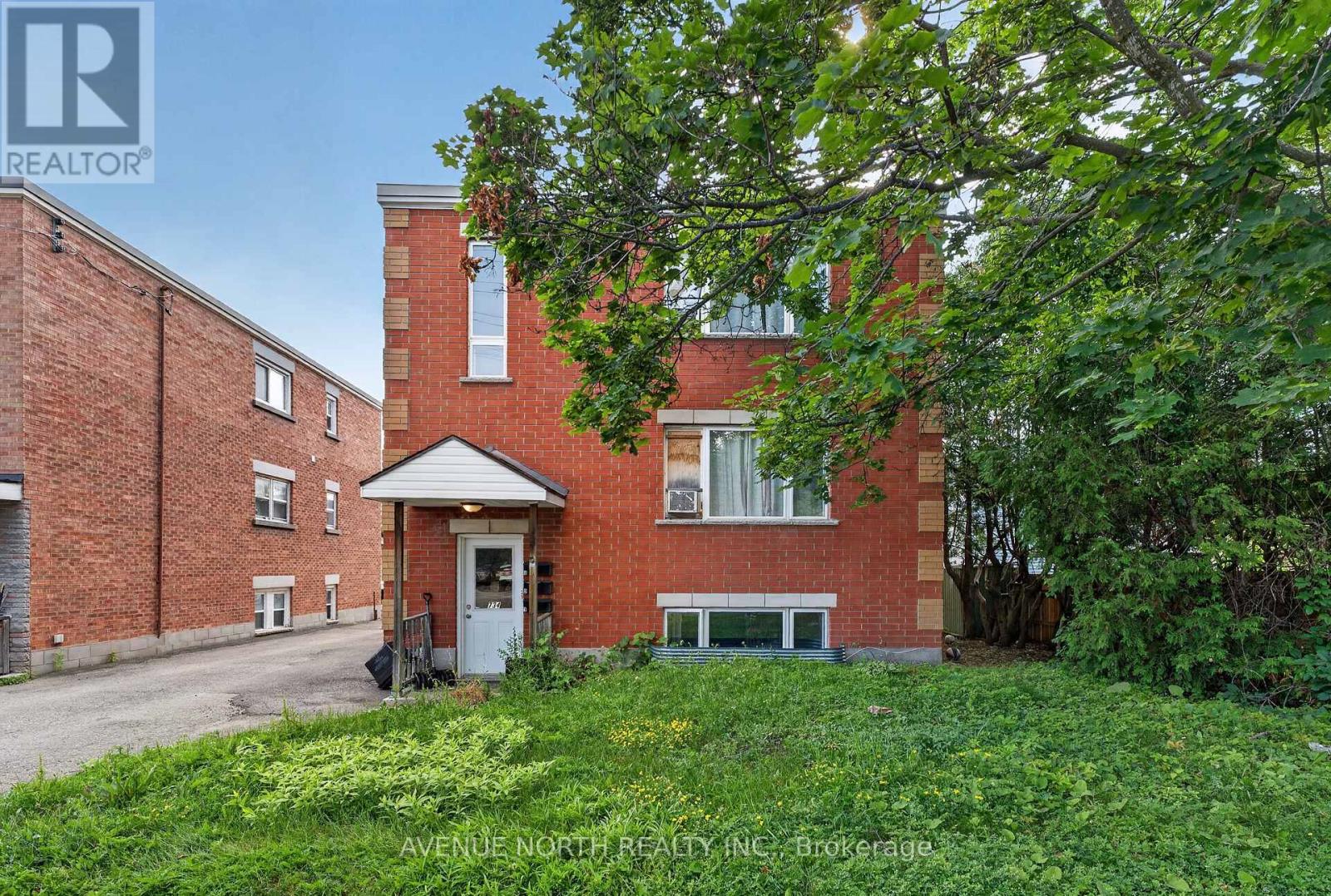
$769,000
734 De L'eglise Street
Vanier, Ottawa, ON
Page 3 of 14
Filter propertiesFilters
Are You Interested?
What You Are Actually Buying
A multi-family home is not a house. It is a small business with a roof on it.
When you buy one in Ottawa, you are buying four things at once: a stream of rental income, a tax-advantaged appreciating asset, an inflation hedge that pays you to hold it, and (if you choose) a place to live in one unit while your tenants pay down the mortgage on the rest. The investors who do well understand all four. The buyers who do poorly understood only the last one.
That matters more than it sounds. Most agents in this city can show you a duplex. Very few can read a rent roll, calculate a real cap rate after honest expenses, tell you whether the second unit is legal, and explain what a real estate lawyer will find in the leases before you sign.
We can. That is the entire point of this page.
- Serving Ottawa since 2008
- RE/MAX Hallmark Top 100 Teams for 6 consecutive years
- Serving Ottawa since 2008
- RE/MAX Hallmark Top 100 Teams for 6 consecutive years
Transactions
Total Families Helped
Total Homes Sold
Bilingual Service
Three kinds of investor. Which one are you?
The house hacker
You buy a duplex or a triplex. You live in one unit. Your tenants live in the others, and their rent covers most or all of your mortgage. Owner-occupied multi-unit financing lets you put down far less than a pure investor would, which means a smaller cheque at closing and a bigger asset on day one.
The first-time investor
You already own your home. You want a second property that pays for itself. A small multi-family home in Ottawa is, dollar for dollar, almost always a better first investment than a single-family rental. One purchase. Multiple rental units. One closing cost. Three or four cheques every month. Immediate cash flow if the deal is structured right.
The portfolio builder
You already own income property. You are looking for the next 5 units, the next fourplex, the next building in a strong neighbourhood that will still be a strong neighbourhood in 2040. You want an agent who reads rent rolls before listing photos and can tell the difference between a 6 cap and a 4 cap dressed up as one.
If you recognized yourself in any of those three, keep reading. The rest of this page was written for you.
The two financing worlds: 2 to 4 units, and 5 units and up
This is the most important distinction in multi-family real estate, and almost no listing page in Ottawa explains it clearly. The line between a fourplex and a 5-unit building is not just one extra apartment. It is two completely different financing systems, two different appraisal methods, two different lender pools, and two different paths to building a portfolio.
Get this part right and the rest of your investment career is downhill.
2 to 4 units: the residential side
A duplex, triplex, or fourplex in Ottawa is still treated as residential by lenders. That is the great secret of small multi-family investing in Canada, and it is the single biggest advantage you have as a first-time income property buyer.
What you get with a 2-to-4 unit property:
- Residential mortgage rates, which are almost always lower than commercial rates.
- Smaller down payment requirements, especially if you plan to live in one unit. Owner-occupancy unlocks the most generous terms in Canadian real estate finance.
- CMHC-insured financing options on owner-occupied 2-to-4 unit properties, which can dramatically reduce your down payment.
- Standard residential appraisal, based primarily on comparable sales rather than building income.
- Faster closing timelines than commercial deals, often 30 to 60 days from offer to keys.
What this means in practice:
A first-time investor with a respectable income and a modest down payment can often buy a triplex in Ottawa with less cash out of pocket than the same person would need for a single-family home in Kanata. The triplex then generates rental income from two units while you live in the third, and the math frequently works out so that your tenants are paying most or all of your monthly mortgage.
This is not theory. This is how a great many of our clients have started their portfolios.
Best property types in this category:
| Property type | Typical use case | What we look at first |
|---|---|---|
| Duplex | House hackers, first investors | Is the second unit legal? Are there separate hydro meters? |
| Triplex | Owner-occupiers, first investors | Zoning, parking, condition of the rental units |
| Fourplex | Serious first investors, small landlords | Cap rate, rent roll, CMHC eligibility |
| Single-family with a legal secondary suite | Buyers wanting income with a single-family feel | Permits, fire separation, market rent for the suite |
A duplex with two separately metered units is worth more than a duplex without, because tenants pay their own hydro and your operating costs drop. Properties where units have separate hydro almost always cash flow better. A fully self contained second unit, with its own kitchen, bathroom, and entrance, is worth more than a basement apartment that shares laundry with the main floor. A property where the units have been renovated in the last five years will rent faster, hold tenants longer, and command a higher market rent than one that has not. In-unit laundry in each apartment will lift your rental appeal further still.
We notice these things for you. It is what we are paid to do.
5 units and up: the commercial side
The moment you cross into 5 units, you are no longer buying residential real estate. You are buying a commercial asset, and the rules change in almost every direction.
What changes at 5 units:
- Commercial financing, which means commercial lenders, commercial rates, and commercial underwriting standards.
- Larger down payment requirements, typically substantially more than residential.
- Income-based valuation. A small apartment building is appraised primarily on its net operating income and cap rate, not on what the duplex down the street sold for. This is good news if the building is well-managed, and bad news if it is not.
- Longer due diligence periods. Expect 60 to 120 days from offer to closing.
- Closer scrutiny of the rent roll, leases, expenses, and maintenance history. Lenders want to see that the building can service its own debt before they hand you the keys.
- A real focus on cap rate. This is the metric that matters most in this category, and the one most often misrepresented in listings.
What this means in practice:
A 5-unit building in Ottawa is a different purchase than a fourplex, even if the asking prices look similar. You will need more capital, more patience, and a sharper analysis. In return, you get a property whose value is tied directly to its income, which means that every dollar of additional rent and every dollar of reduced expense translates directly into building value.
This is how serious portfolio builders compound wealth. It is also how careless buyers lose it.
Best property types in this category:
| Property type | Typical use case | What we look at first |
|---|---|---|
| Small apartment building (5-12 units) | Portfolio builders, experienced investors | NOI, cap rate, lease terms, deferred maintenance |
| Mid-size multi-family (13-30 units) | Serious investors with commercial financing in place | Rent roll, expenses, building condition, management structure |
| Mixed-use (residential over commercial) | Investors wanting commercial diversification | Commercial tenant quality, lease length, residential vacancy |
We do not show clients buildings in this category until we have run the numbers ourselves and decided the deal is real. There are too many 5-unit and 6-unit buildings in Ottawa being marketed at cap rates that fall apart the moment you put honest expenses against them. Our job is to filter those out before they reach your inbox.
Where to look in Ottawa
Multi-family homes for sale are not evenly distributed across the city. Some neighbourhoods have decades of older multi-unit stock. Others have newer secondary dwelling units sitting inside otherwise ordinary streets. A few, frankly, are not worth your money no matter how good the listing photos are.
Here is where we look first.
Sandy Hill
The University of Ottawa is three blocks away. Student rental demand here is as close to a guarantee as Ottawa real estate offers. Triplexes and converted older homes dominate, and 1-bedroom units rent quickly almost year-round. One of the highest cash flow neighbourhoods in the city for a reason.
Vanier
Older multi-unit housing, walking distance to downtown Ottawa, strong rental demand from young professionals priced out of Centretown. Some of the best entry-level numbers in the city, if you choose the right block. A first investor’s neighbourhood.
Centretown and the downtown core
Premium prices, premium rents. A multi-family property here is rarely the highest cash flow play, but it is often the strongest long-term hold. Tenants are professional, vacancy is low, and the appreciation curve has been kind for two decades.
Hintonburg and West Centretown
Gentrifying steadily for a decade and not finished yet. Investors who got in five years ago are very pleased with themselves. Investors who get in this year may say the same thing in 2031.
Overbrook
Quietly one of the best entry points for a first multi-family investment. Close to the Rideau River, close to downtown, still affordable on a relative basis. A genuine opportunity for investors who want cash flow today and appreciation tomorrow.
Glebe and Old Ottawa South
Premium owner-occupancy plays. The Glebe in particular attracts buyers who want to live in the better unit and rent the other one to a respectable long-term tenant. Lower yields, exceptional appreciation.
Orleans
Our home turf. Newer legal duplexes and secondary dwelling units, family-friendly streets, and an east-end commute that has improved every year since the LRT opened.
Gatineau, just over the river
For Gatineau properties, compare provincial financing, tax, and tenancy rules, and verify the appropriate Quebec brokerage licence before proceeding.
How to actually evaluate a multi-family property in Ottawa
Most buyers walk into a duplex and look at the kitchen. We look at twelve other things first. Here is the short version of our checklist. Print it. Bring it to your next showing. Or send us the listing and we will run it for you.
1. Are the units legal?
This is the single most important question, and the one most asked too late. An illegal second unit can wreck your financing, void your insurance, and turn into an order from the city that costs more to fix than the rental income was worth. We pull the compliance status before we let a client write an offer.
2. How are the meters set up?
Units that have separate hydro meters are worth more. Properties where each unit has its own gas, its own hot water tank, and ideally independent HVAC are worth more still. Every utility you do not pay is profit you keep, and it shows up directly in your cash flow.
3. What are the actual rents, and what is the actual market rent?
A rent roll is a piece of paper. We compare it to current Ottawa market rents for 1-bedroom units, 2-bedroom units, and 3-bedroom units in the same neighbourhood, and we tell you the truth about the gap. Sometimes the gap is good news (room to raise rents on turnover). Sometimes it is not (the building is already over-rented and the numbers will compress).
4. Who are the tenants and what do their leases say?
A great property with a difficult tenant is a difficult property. We read the leases before you sign anything. We check whether units are currently rented, what the security deposits look like, and whether any tenant has rights that will affect your plans for the building.
Â
5. What does the building actually need in the next five years?
Roof. Furnace. Windows. Foundation. Knob and tube. Wet basement. We bring inspectors who specialize in income property, not generalists who will miss what matters.
6. What is the real cash flow, with honest expenses?
Not the cash flow on the listing. The cash flow after vacancy allowance, repairs, property management, insurance, property tax, and a maintenance reserve. This is exactly what our Rental Property Calculator → is built to do, and we will walk you through the inputs on your strategy call.
7. What is the cap rate compared to comparable Ottawa multi-family deals in the last twelve months?
This is how you know whether you are paying a fair price or a hopeful one. Listings will quote you a cap rate. We will tell you what the real one is.
We could keep going. There are five more items on the full checklist. We will walk you through every one of them on your strategy call.
Why investors choose Labrosse Real Estate for multi-family deals
Investment property requires careful review of the numbers and the building. Here is how we help you assess an Ottawa purchase.
A specialist, not a generalist
Discuss your investment goals with our team and ask how a property will be evaluated, including income, expenses, condition, and financing.
Licensed on both sides of the river
Ontario and Quebec. One agent. One process. Full Ottawa-Gatineau coverage. If you have been told you need two different realtors to look at properties on both sides of the Rideau, you have been told wrong.
Bilingual end to end
Every conversation, every document, every negotiation, in English or in French.
A team with a track record
Labrosse Real Estate Group has helped more than 650 families buy and sell in Ottawa, sold more than 550 homes, and earned a place among the RE/MAX Hallmark Top 100 Teams. We are not the biggest brokerage in the city. We are quietly one of the most effective.
Daily communication
You will never wonder where your deal stands. Our clients hear from us every day during an active transaction. It is not optional.
Meet your multi-family real estate agent
Tell our team your budget, preferred neighbourhoods, and investment goals. We can discuss your Ottawa property search and the next steps for reviewing a potential purchase.
Real Estate Agent in Ottawa
Our team of highly qualified professionals will guide you through every step of buying or selling your property

Nicholas Labrosse
Ottawa Award-Winning Realtor
RE/MAX Realty / Labrosse Real Estate Group

Ashley Gray
Ottawa's "Family" Realtor
RE/MAX Realty / Labrosse Real Estate Group

Hayley Vaughan
Real Estate Agent
RE/MAX Realty / Labrosse Real Estate Group

FAQ
What counts as a multi-family home in Ottawa?
Any residential property with two or more separate dwelling units. That includes a duplex, triplex, fourplex, small apartment building, and a single-family home in Ottawa with a legal secondary suite. Semi-detached homes with a single unit on each side are technically two separate properties, not multi-family.
What is the difference between a 2-to-4 unit property and a 5-plus unit property?
Financing. A 2-to-4 unit property qualifies for residential financing, often with smaller down payments and lower rates. A property with 5 units or more is treated as commercial, with larger down payments, different appraisal rules, and longer closing timelines. This single distinction matters more than almost any other when you are planning a multi-family investment.
Is a secondary dwelling unit considered multi-family?
For lending purposes, a single-family home with a legal secondary unit is usually treated as a 2-unit property, which often qualifies for owner-occupied residential financing. It is one of the most accessible ways into multi-family investment in Ottawa.
How do I know if a unit is legal?
You ask the city, you check permit history, and you have a knowledgeable real estate agent and a lawyer review the file before closing. We do all of this as part of our standard process.
How much do I need to put down on a multi-family property in Ontario?
It depends on whether you will live in the property and how many units it has. Owner-occupied buyers in 1-to-4 unit properties often qualify for the smallest down payments, sometimes with CMHC insurance. Investor-only purchases and 5-units-and-up require more. We will give you realistic numbers on your strategy call.
Can a duplex or triplex actually pay for itself in Ottawa?
Often, yes, when the deal is bought right and the rents are at market. The Rental Property Calculator will tell you exactly how close a specific property comes. We have helped clients buy properties where the rental income covers the entire mortgage payment, and we have walked clients away from properties where the math did not work no matter how nice the kitchen looked.
Do you help buyers on the Gatineau side?
Contact our team to discuss your search and confirm current service availability. A Gatineau transaction requires the appropriate Quebec brokerage licence.
Which Ottawa neighbourhoods have the strongest rental demand?
Sandy Hill (University of Ottawa), Centretown, Vanier, Hintonburg, the Glebe, and increasingly Overbrook. Strong rental demand changes block by block. We will tell you what we are seeing in the area you are considering.
Should I get a special inspection for a multi-unit property?
Yes. A general home inspector is fine for a single-family house. For an income property, you want someone who knows what to look for in mechanicals, fire separation, and unit-by-unit condition.
Do you only work with experienced investors?
No. A great many of our multi-family clients are first-time buyers using owner-occupancy financing to get into the market. We will meet you where you are.